The plumbing industry plays a significant role in our daily lives, providing essential services that support both residential and commercial infrastructures. However, traditional plumbing practices can contribute to environmental degradation, water wastage, and increased energy consumption. As we navigate the challenges of climate change and resource scarcity, adopting eco-friendly plumbing practices becomes imperative for creating a sustainable future. This article will explore various strategies and techniques to promote sustainability in plumbing while ensuring effective performance in both installation and repair.
Understanding the Impact of Plumbing on the Environment
Before delving into eco-friendly practices, it is crucial to understand how conventional plumbing impacts the environment. Traditional plumbing systems often rely on outdated materials and methods that are not optimized for efficiency. For instance, older pipes may be prone to leaks, leading to significant water loss. Additionally, the energy consumed in heating water for domestic use or industrial processes can be substantial.
In terms of resources, many plumbing repairs involve materials that are not biodegradable or recyclable, such as PVC pipes and synthetic sealants. The manufacturing processes behind these materials typically generate considerable carbon emissions. Therefore, transitioning towards more sustainable options in plumbing is not just beneficial; it is essential for mitigating environmental harm.
Choosing Sustainable Materials
One of the most effective ways to make plumbing more eco-friendly is by selecting sustainable materials for installations and repairs. Here are several material choices that stand out:
Recycled Copper: Copper is an excellent choice due to its durability and recyclability. Using recycled copper reduces the need for mining new resources.
PEX Tubing: Cross-linked polyethylene (PEX) is becoming increasingly popular due to its flexibility and resistance to corrosion. It also has a lower carbon footprint compared to traditional piping materials.
Eco-Friendly Sealants: Many sealants contain volatile organic compounds (VOCs) that contribute to indoor air pollution. Opting for low-VOC or zero-VOC alternatives can significantly reduce harmful emissions during installations.
Bamboo Fixtures: Bamboo is a rapidly renewable resource that can be used in various plumbing fixtures like faucets and sinks.
Biodegradable Plastics: In applications where plastic is necessary, consider biodegradable options designed to break down naturally over time without harming the environment.
By prioritizing these materials in both residential and commercial plumbing repair services, professionals can help minimize waste while promoting sustainability.
Implementing Water-Saving Technologies
Water conservation is at the heart of eco-friendly plumbing practices. By integrating water-saving technologies into installations or repairs, we can dramatically reduce water consumption without sacrificing performance.
Low-Flow Fixtures
Low-flow showerheads and faucets use aerators or restrictors to limit water flow while maintaining pressure, allowing users to enjoy their showers without excess water usage. Installing these fixtures can reduce household water consumption by up to 50%.
Dual-Flush Toilets
Toilets account for a significant portion of household water usage—about 30%. Dual-flush toilets provide two flushing options: one for liquid waste that uses less water, and another for solid waste that requires more volume. This technology allows households to save gallons of water with every flush.
Smart Irrigation Systems
For those incorporating plumbing into outdoor spaces, smart irrigation systems offer advanced control over watering schedules based on weather conditions or soil moisture levels. These systems help ensure plants receive adequate hydration without wasting water on rainy days.
By integrating these technologies into new installations or retrofitting existing systems during renovations or repairs, plumbers can contribute substantially toward sustainable living.
Enhancing Energy Efficiency
Energy efficiency goes hand-in-hand with sustainability in plumbing practices. Heating water accounts for a large portion of energy bills in both residential and commercial settings; therefore, optimizing this process can lead to substantial savings as well as reduced environmental impact.
Tankless Water Heaters
Unlike traditional tank-style heaters that continuously heat stored water, tankless models heat water on demand—providing hot water only when needed. This efficiency results in lower energy consumption overall since there is no standby heat loss associated with storing hot water.
Solar Water Heating Systems
Harnessing solar energy through solar thermal panels offers another avenue for increasing energy efficiency in residential setups. These systems capture sunlight to heat water directly, reducing reliance on fossil fuels or electricity from non-renewable sources.
Insulation Techniques
Proper insulation around piping—especially hot-water pipes—can significantly reduce heat loss during transit from the heater to outlets throughout the home or building. Insulating pipes minimizes energy waste and boosts overall system efficiency.
By highlighting these solutions during professional plumbing installation or repair projects, industry professionals can guide their clients toward more energy-efficient choices that contribute positively toward sustainability goals.
Regular Maintenance for Longevity
Sustainable practices extend beyond initial installation; they also encompass ongoing maintenance efforts aimed at extending the lifespan of plumbing systems while preventing leaks or failures that often result in wasted resources.
Regular inspections allow plumbers to assess potential issues before they escalate into costly repairs requiring extensive resource expenditure—both financially and environmentally speaking.
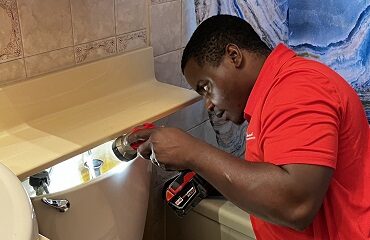
Encouraging homeowners or businesses to schedule routine check-ups enables timely identification of leaks which could otherwise go unnoticed until they cause severe damage—leading not just toward structural concerns but also contributing significantly towards increased utility bills due excessive consumption caused by undetected leaks over time.
Community Engagement And Education
Promoting eco-friendly plumbing practices cannot happen solely within individual homes; community engagement plays an essential role as well! Plumbers should consider hosting workshops focused on educating clients about sustainable practices related specifically towards their homes' unique needs—a proactive approach allowing homeowners access vital information regarding proper maintenance techniques alongside emerging trends within green technology options available today!
Local partnerships between contractors & municipal authorities foster collaborative efforts aimed at raising awareness around efficient resource management across neighborhoods—whether organizing clean-up days emphasizing conservation efforts within local watersheds & riversides providing educational resources showcasing available rebates incentives encouraging people adopt greener lifestyle choices too!
By nurturing relationships amongst stakeholders involved across both private public sectors alike helps build strong networks further fostering sustainability initiatives through shared knowledge experiences benefiting everyone involved long term!
The Role Of Professional Plumbing Services
Professional plumbers hold a critical position when it comes down supporting eco-friendly initiatives surrounding installations repairs alike! Their expertise equips them with valuable insights guiding clients towards making informed decisions rooted sustainability principles helping ensure quality craftsmanship delivered consistently throughout each project undertaken!
Furthermore investing time developing specialized training programs focusing on green technologies empowers professionals stay abreast latest advancements available today whilst enhancing skillsets required provide superior customer service experience tailored specific needs individuals families businesses served directly!
Ultimately ensuring top notch workmanship combined strategic implementation ecological measures fosters trust loyalty customers who appreciate affordable commercial plumbing repair commitment towards safeguarding planet’s resources future generations!
Plumbing repair & installation services play pivotal roles achieving desired outcomes align with values centered around promoting cleaner safer environments benefit all members society equally—as stewards responsible custodians natural world strive creating better tomorrow together!